
Serious mischief, indeed
Into the art room we go - seriously! (Part 1)

Welcome, team! Now, here’s a proposal for the new term:
Let’s create an art space that fizzes with collaboration, ideas and making.
By this I mean, serious mischief - being ‘up to something’ with a distinctive sense of play and purpose. It’s a potent combination: staff and students, individually and collectively, thinking and making with spirited intent.
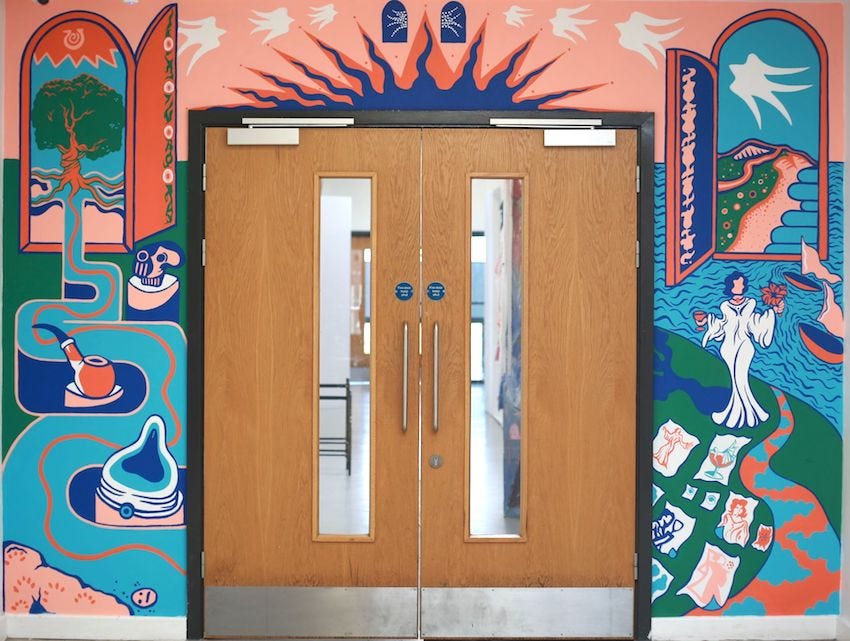
Of course, we’re not starting from scratch in our school, it’s an established intention and an ongoing commitment. Still, best not rest on presumptions or past successes – a new school year awaits!
But what does this mean in detail, or look or feel like in action? Serious mischief sounds a bit troublesome. What if you - staff or students - crave a gentler pace; something more prescriptive; ‘less cranial’ - as a TC1 doubter once put it, which did make me laugh, and then quite sad.
This post, Part 1, will reflect on the serious. Part 2 will address the mischief.
But perhaps it is the entanglement of these that might appeal most - to pinch a delightful word from this recent post by the ever-inspiring Jon Nicholls. Something to think about there too.
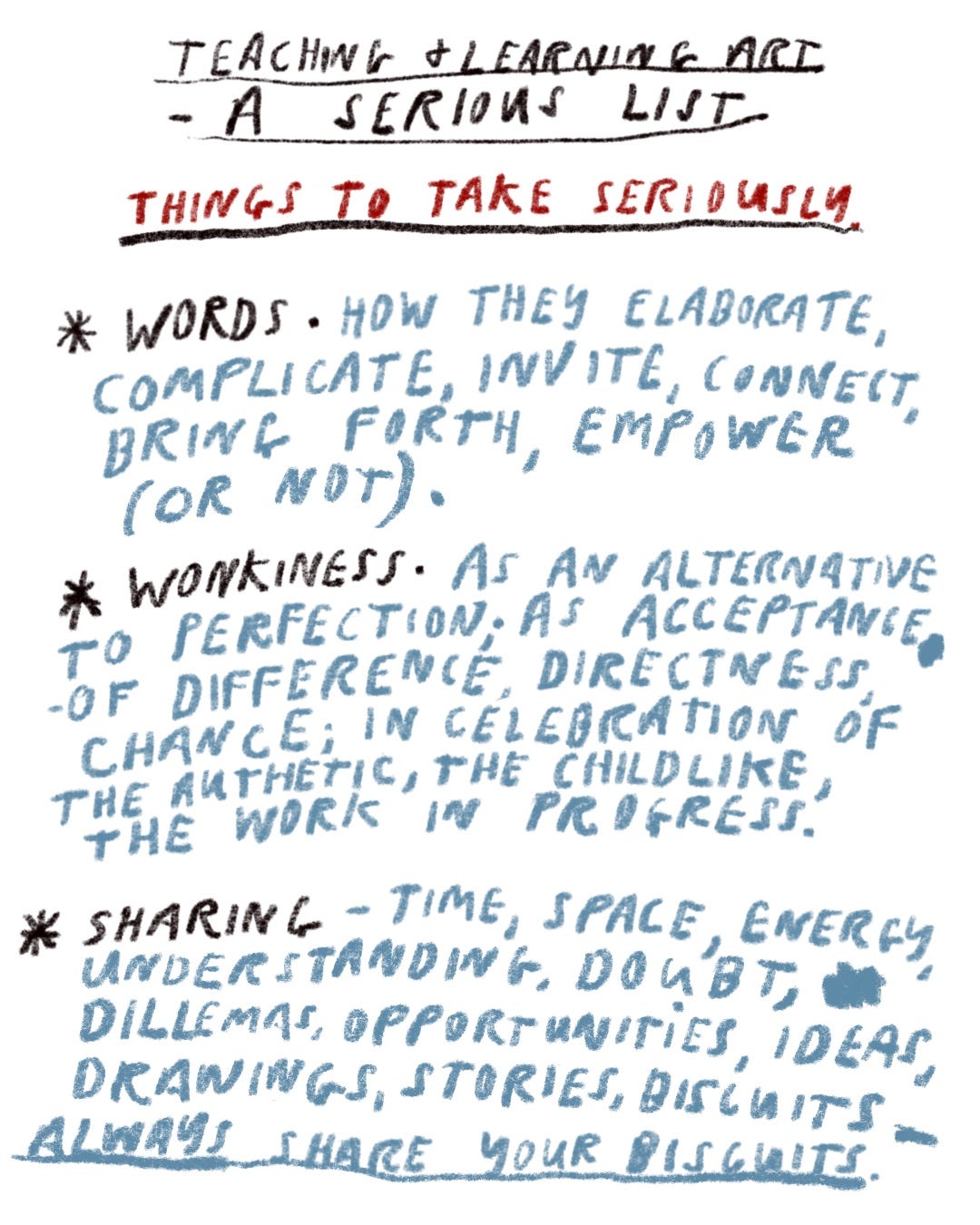
Serious suggests something consequential; of significance; profound; vital, even. Those words seem fitting for an art education. I’d hope every art teacher would agree. Art, and its histories and potential too - for good and bad – can be a weighty, serious matter.
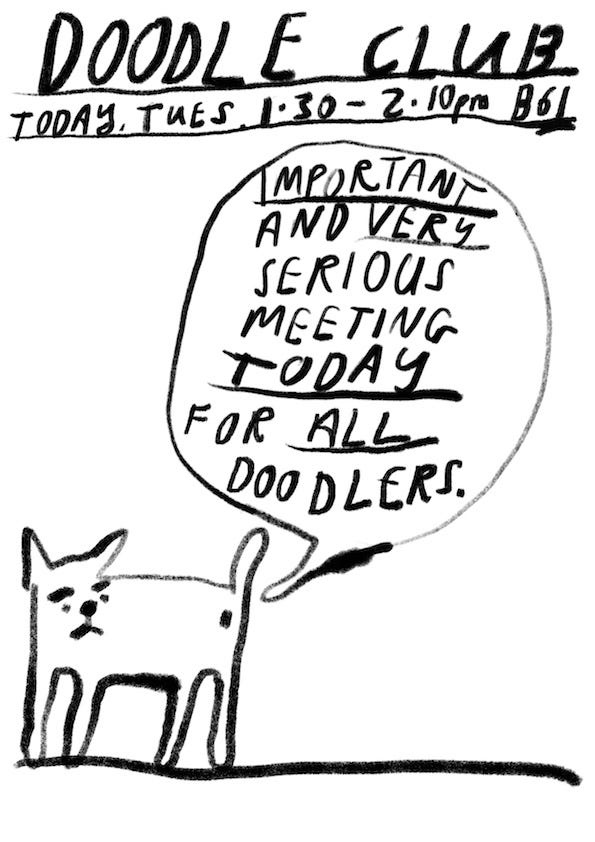
But what if students, or parents, or school leaders (for example) see art as something less serious, less vital than, say, Maths or Science? All art teachers - and students, given time - should be able to argue and advocate for our subject. I like to respond by leaning into the inherent and marvellous complications of art education – for example, in praise of difference and doubt; celebrating the merry dance between the haptic, the theoretical and the philosophical; sharing art’s potential for play and profundity. So, serious mischief, I might often proclaim, if only to unsettle the acutely pragmatic.
Being serious suggests focus, urgency, sincerity and conviction. Art teachers - and art students – do need these qualities to teach and learn, because time is short and the stakes are high. Who else will invite-challenge students to engage with the physical, the emotional and the intellectual with such varying degrees? Art education is important work for our heads, hands and hearts.
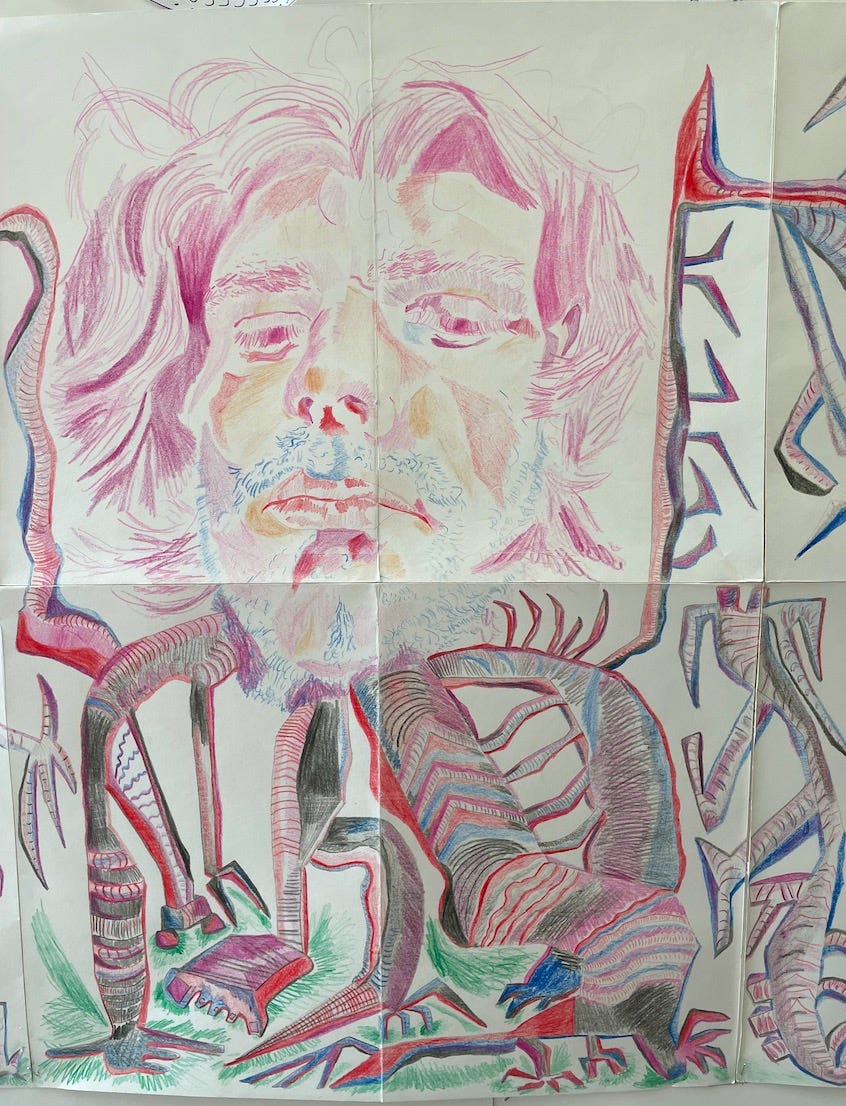
The notes that follow are potentially obvious, but nevertheless important (to my mind, and for what I want to point towards at the start of a new school year). Here are five broad prompts for reflection and/or discussion for staff and students. Five T’s, as it happens - plus an additional note-doodle that just leaked out.
Art teachers and art students should be serious about:
1. Turning-up
- to teach and learn; to share and connect; to support others; to make art. Turn up with positive intent - it’s a commitment and a gift. And when you (or I) turn up with fresh ideas, artwork or questions - or biscuits, even - well, even better!
What are your driving forces that help you to turn up - to teach, to learn, to make art?
What hopes or concerns do you hold for this new school year that might help or hinder this?
2. Tuning-in
The world is full of noise for our ears and eyeballs. This can be inspiring and exhausting. Art teachers and art students can be – should be – sensitive to this. Consequently, an important skill, especially for an artist, is the capacity to tune into alternative frequencies - to be alert to sweeping, stereotypical or clunky messaging, and to be attentive to less anticipated ‘invitations’ in the art room and beyond. That’s to say, when something new, curious or unexpected invites your attention: tune in. Listen, question, trust your instincts, read wider, and have a sketchbook to hand.
What quiet or curious ‘invitations’ have you encountered over the summer that have evoked creative reflection or response? Do these have further potential or place in your next steps?
3. Timely actions
Teaching and learning is all in the timing. Lessons occur within limited time periods, albeit repeated over weeks and terms. Teachers and students are often pressed for time. Opportunities (including deadlines - for good and bad) will come and go. Consequently, all teachers should think seriously about what to teach, why, and when, plus account for time to plan, prepare, review, recap or divert from this, for these are the foundations of all powerful lessons. Worth remembering too, a well-timed action, insight, question or comment can resonate deeply - as can a poor one. Best to be timely and considered with words and actions.
As you look ahead to this term, what aspects do you feel best prepared for - or most confident to prepare for? What aspects do you think will require further time, study and/or preparation? What might help further here?
4. Telling your take (and acknowledging others)
You don’t have to overshare in the art room, or empty your soul into your art. That’s not for everyone. Art can be expressive and highly personal, but other options are available. Authenticity and honesty are important though, especially when it comes to feedback and discussion. Constructive critical feedback is essential to teaching, learning and culture-building in the art rooms - and I don’t mean the blunt stick and bland carrot of grade-related feedback, or critical as in clunky, pedantic or unkind. Sharing - and being attentive to - authentic and honest feedback requires consideration, bravery and diplomacy. All students and teachers need to be open to discussions and differences; to shape learning via thoughtful and constructive contributions.
What aspects of your creative practice - be it teaching, learning or making art -would you most value feedback on?
How comfortable are you in providing your honest perspective to others, even if it might mean sharing an alternative opinion or a critical stance? What benefits or issues can arise?
5. Turning off
Without adequate rest, sleep, play or positive balance - be it family, friends, exercise, nature, or so on - Turning-up, Tuning-in, and Timely actions are swiftly compromised.
Schools are demanding places and teachers and students have to learn to manage and navigate this - and school leaders have to ensure staff and students are not overly-stretched or under-supported.
Turning off screens is to be encouraged - especially if in the company of others, or if there is art and mischief to be made - which we’ll get to in Part 2.
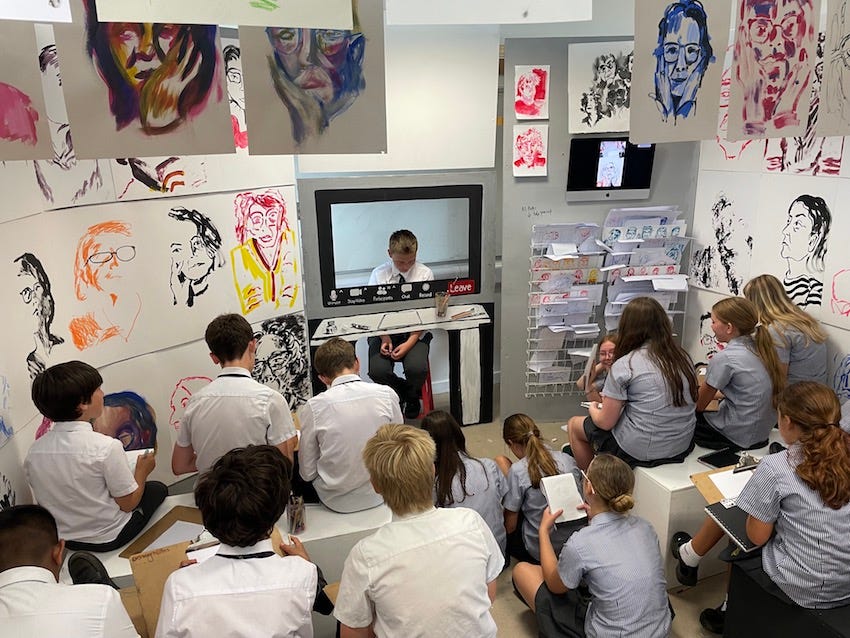
And if you’ve got this far, thank-you for not turning off!
My intention for this new school year - but lets see how that goes - is to use Substack to organise thoughts and reflections relating to teaching and learning - mainly for myself and my(new-ish) art team, but perhaps helpful for others too. If so, please do share and/or add thoughts in the comments below.
If you’d like to read more, ‘Big ideas’, lesson plans, project ideas and much more are available on the artpedagogy website. The Artpedagogy instagram account also provides reflections, doodles and what-not, mostly art-ed related, but often a bit silly.
Threshold Concepts - these are the ‘big ideas’ which underpin our curriculum. You can read more here.
Can I come to your classes please?
Lovely to see you over here! As always, some exciting provocations and a warm invitation to step into the art room. There's nowhere quite like it is there?! Happy new school year.